30 Radiant Skincare Tips for All Skin Types in 2025

In this guide you’ll find 30 bite‑size, budget‑friendly steps that respect every skin type—dry, oily, sensitive, and everything in between. Each tip is wrapped in plain‑speak science, peppered with warm encouragement, and sized to fit real life. Mix‑and‑match or march straight down the list; either way, you’ll build a routine that hydrates, protects, and brightens without drowning in jargon. Ready? Let’s unlock your best skin yet.
1. Start with a pH‑Balanced Cleanser
A cleanser that matches skin’s natural acidity (around pH 5.5) safeguards the moisture barrier. Low‑suds gels or creamy milks leave skin feeling supple rather than squeaky.Budget picks often rival high‑end formulas—just scan labels for “pH balanced” or sulfate‑free surfactants like coco‑glucoside. Using lukewarm water keeps lipid layers intact.Morning and evening cleansing whisks away pollutants, sunscreen, and excess oil, ensuring later serums sink in instead of sitting on top.
2. Double‑Cleanse When Wearing Sunscreen or Makeup
An oil‑based balm dissolves SPF and pigments, preventing clogged pores. Follow with a gentle foaming wash to lift away residue without stripping.Think of it as shampoo and conditioner for your face: first loosen, then cleanse. It takes two minutes yet dramatically reduces dull buildup.Choose fragrance‑free balms if you’re sensitive; coconut or sunflower oils are wallet‑friendly heroes that rinse clean with zero film.
3. Exfoliate Chemically—Not Harshly
Alpha hydroxy acids (glycolic, lactic) nibble dead cells, revealing fresh glow. Beta hydroxy acid (salicylic) dives deeper, clearing oil‑filled pores.Start once weekly; build to two or three sessions as tolerance allows. Over‑zealous scrubbing spikes redness and micro‑tears.Always cloak skin in moisturizer afterward. Hydration cushions new cells and keeps that radiant finish from flaking away.

4. Hydrate on Damp Skin
Water is skincare’s cheapest humectant—but only if you trap it. Mist face lightly, then apply serums within 60 seconds to lock moisture in place.This “moisture sandwich” reduces transepidermal water loss by up to 30 percent, research shows. Dewy results, zero extra cost.Choose mists with aloe or rose water for soothing benefits, especially if your tap water is hard or chlorinated.

5. Layer a Multi‑Weight Hyaluronic Acid Serum
Different molecular sizes mean hydration at every level: small particles dive deep; larger ones cushion the surface. One pump morning and night keeps skin bouncy.Press, don’t rub—palms create gentle heat that boosts absorption. Always seal with cream to stop HA from wicking moisture into thin air.Affordable drugstore serums often list “sodium hyaluronate” high on the INCI; don’t overpay for fancy packaging.
6. Boost Barrier with Ceramides
Ceramides are the mortar between skin‑cell bricks. Without them, water escapes and irritants sneak in.Look for moisturizers advertising “three essential ceramides” plus cholesterol and fatty acids for a complete barrier hug.Apply a pea‑size dollop after actives; within weeks, flaky patches soften and redness retreats, whatever your skin type.

7. Soothe with Niacinamide (5 %)
Niacinamide calms redness, reduces pore appearance, and regulates oil. That’s multitasking magic in one lightweight serum.Begin with 5 percent concentrations; higher levels can cause flushing in sensitive users. Layer morning or night—it plays nicely with most ingredients.Regular use strengthens the epidermal barrier, meaning fewer dry spots and more even tone year‑round.

8. Incorporate Peptides for Firmness
Peptides are tiny messengers telling skin to make fresh collagen. Consistent use can visibly soften fine lines after eight weeks.Opt for serums in airless pumps to keep these fragile chains potent. Apply to crow’s‑feet, smile lines, and neck.Pair with sunscreen to protect new collagen—you grow it, now guard it.

9. Choose Antioxidant Serums (Vitamin C, E, Ferulic)
Free radicals from pollution and blue light dull radiance. A morning antioxidant cocktail shields cells and brightens over time.L‑ascorbic acid at 10–15 percent hits the sweet spot between efficacy and irritation. Ferulic acid stabilizes the mix.Store dark bottles in a cool drawer; light and heat degrade vitamin C faster than you can say “oxidation.”

10. Patch‑Test New Products
No one enjoys a full‑face rash. Dab a smidge behind your ear or along the jaw and wait 24 hours.This tiny ritual saves money, frustration, and barrier damage. Especially crucial with potent actives like retinoids or fragrances.If redness arises, donate the product to a less‑sensitive friend instead of forcing the relationship.

11. Use Broad‑Spectrum SPF 30+ Daily
UV rays accelerate wrinkles, dark spots, and collagen loss. Broad‑spectrum blocks both UVA (aging) and UVB (burning).Apply two fingers’ length for face and neck; most people under‑dose by half. Mineral formulas with zinc suit sensitive skin.Sunscreen is your most powerful anti‑aging investment—one that costs pennies per day.
12. Reapply Sunscreen Every Two Hours Outdoors
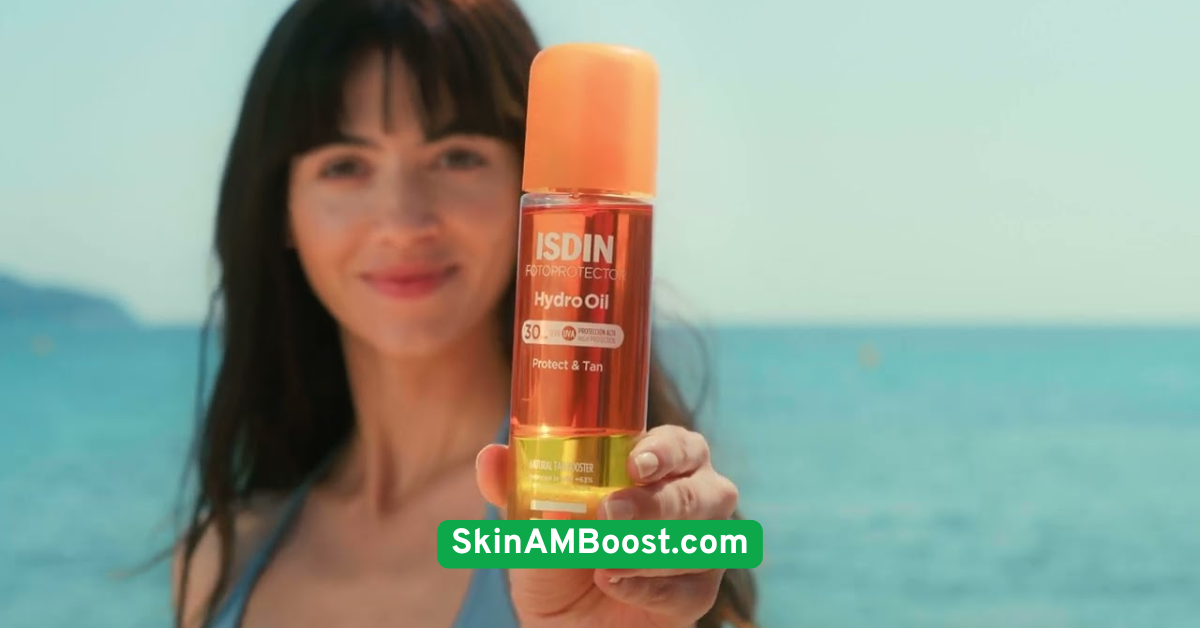
Protection fades with time, sweat, and towel‑drying. Spritz or dab stick SPF over makeup to maintain the shield.Tinted mineral powders offer oil control and UV defense in one. Keep a compact in your bag for beach days or city strolls.Yes, it feels repetitive—so does brushing teeth, and you never skip that.

13. Embrace Blue‑Light Protection Indoors
Screens emit high‑energy visible light linked to hyperpigmentation. Antioxidant‑rich serums or blue‑light‑filtering moisturizers offer an extra buffer.This isn’t fear‑mongering; it’s smart prevention for anyone glued to a laptop eight hours daily.Use alongside, not instead of, SPF—think belt and suspenders for your complexion.

14. Opt for Non‑Comedogenic Oils at Night
Squalane, rosehip, and marula oils nourish without clogging pores. Warm two drops between palms and press over moisturizer.They seal in actives and add a soft‑focus sheen by morning. Avoid coconut oil if you’re acne‑prone—its comedogenic rating is high.Oil isn’t the enemy; the wrong oil is.

15. Sleep on a Silk or Satin Pillowcase
Friction steals moisture and causes hair breakage. Smooth fibers reduce tugging, helping skin retain hydration.Silk also harbors fewer bacteria than cotton, meaning clearer complexions for acne‑sensitive sleepers.Wash weekly with fragrance‑free detergent to keep benefits intact.

16. Maintain a Consistent Sleep Schedule
Skin’s repair hormones spike during deep sleep. Skimp and you’ll see puffy eyes, lackluster tone, and slower wound healing.Aim for 7–8 hours in a dark, cool room. Blue‑light‑blocking glasses plus a set bedtime reinforce the habit.Consistency beats catching up on weekends; your circadian rhythm craves routine.

17. Eat Water‑Rich Produce Daily
Cucumbers, berries, and citrus hydrate from within while delivering antioxidants. Pair with healthy fats (nuts, avocado) to boost nutrient absorption.Pre‑cut snack boxes on Sunday; convenience curbs vending‑machine temptations mid‑week.Internal hydration supports plump, resilient skin and complements your topical routine.

18. Limit Sugary Drinks and Excess Caffeine
Sugar spikes insulin, fueling inflammation and breakouts. High caffeine dehydrates and disturbs sleep.Swap soda for herbal infusions, sparkling water, or electrolyte drinks without added sugar. Your skin—and energy levels—stay steadier.Moderation tastes sweeter when you notice fewer surprise zits and less under‑eye darkness.

19. Keep a Desk‑Side Hydrating Mist
Office AC can drop humidity below 30 percent, sucking moisture from skin. A quick glycerin‑infused spritz revives comfort and glow.Look for mists with aloe or panthenol. Spray in an X pattern, then pat gently to avoid makeup runoff.DIY option: cooled green‑tea infusion with two drops of rose oil—cheap, calming, antioxidant‑rich.

20. De‑Stress with Short Breathing Exercises
Cortisol spikes trigger oil overproduction and redness. Five minutes of box breathing (inhale four counts, hold, exhale, hold) lowers stress hormones.Use phone reminders until it becomes second nature. Free, portable, and scientifically backed—your nervous system and skin both win.Pair with a relaxing playlist or nature sounds to deepen the effect.

21. Use Gentle Retinoids for Cell Renewal
Retinoids speed up turnover, smoothing texture and fading pigment. Newer granactive or retinal formulas irritate less than classic tretinoin.Introduce twice weekly, layering a barrier cream afterward. Some tingling is normal; peeling means scale back.Always wear SPF—fresh baby skin is sun‑sensitive skin.

22. Spot‑Treat Breakouts, Don’t Blanket Skin
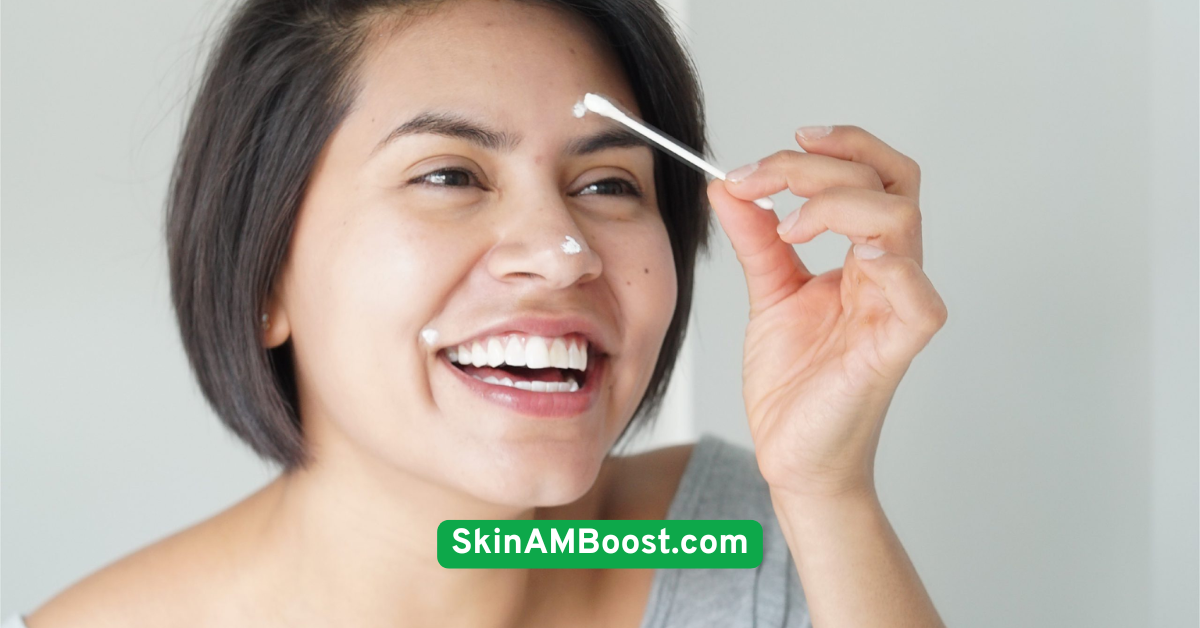
Sulfur, benzoyl peroxide, or salicylic pens target pimples without drying the surrounding area. Precision heals faster with less flake.Dab at first sign of a bump, then leave it alone—picking extends healing time and invites scarring.Follow up with hydrating gel to calm any residual redness.
23. Keep Makeup Brushes Clean Weekly
Brush bristles hoard oil, bacteria, and leftover pigment—prime breakout fuel. Lather with gentle soap, rinse until water runs clear, air‑dry flat.Set a calendar alert; Sunday night spa‑like chores make Monday skin happier.Clean tools extend product life, too—a budget win you can feel and see.

24. Avoid Heavy Fragrance in Skincare
Synthetic scent ranks high on irritation lists, especially for eczema or rosacea sufferers. “Fragrance‑free” or “essential‑oil‑free” labels are your allies.If you adore scents, reserve them for wash‑off products like cleansers that spend less time on skin.Your face, nose, and wallet will appreciate the pared‑back simplicity.

25. Rotate Pillowcases Twice Weekly
Even if you cleanse diligently, hair oils and airborne dust accumulate overnight. Fresh cases reduce acne‑causing bacteria exposure.Keep a small stack of budget satin covers and swap mid‑week. Launder in hot water, fragrance‑free detergent for extra hygiene.Small habit, big clarity payoff.

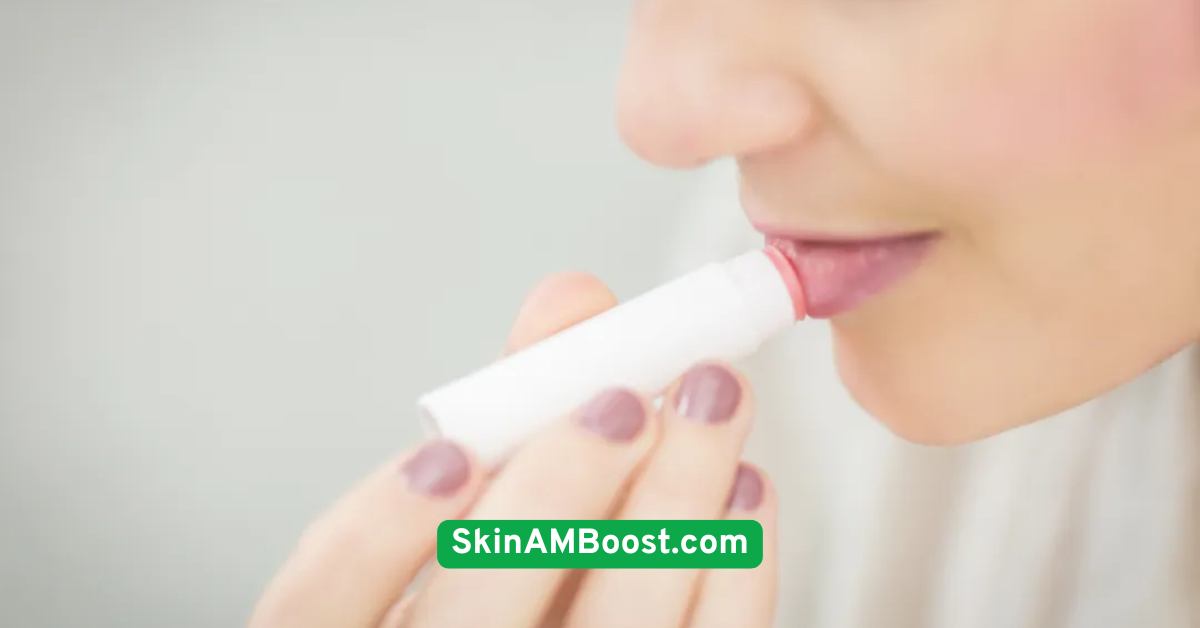
26. Hydrate Lips with SPF Balm
Lips lack melanin, making them UV‑vulnerable. Shea‑butter balms with zinc shield and moisturize simultaneously.Reapply after meals or drinks; stash one in every bag to remove excuses.Soft, protected lips balance the radiant picture your face is painting.
27. Schedule Seasonal Skin Checkups
Dermatologists spot early sun damage and tweak routines for climate shifts. A professional once‑over each season costs less than reversing neglected issues later.Bring a list of questions—pigment spots, persistent dryness, product reactions—to maximize appointment value.Prevention beats correction on both health and budget fronts.

28. Store Actives in Cool, Dark Places
Heat and light degrade vitamin C, retinoids, and certain peptides. A bedside drawer or mini skincare fridge preserves potency.Avoid steamy bathrooms; humidity accelerates breakdown.Long‑lasting products mean fewer repurchases—good for environment and wallet.

29. Listen to Your Skin, Not Trends
TikTok may praise daily exfoliation; your redness says otherwise. Tune into sensations—tightness, sting, itch—then adjust frequency or ingredients.Keep a skin journal to track triggers and triumphs. Personal data trumps internet hype.Healthy skin is self‑aware skin, glowing because it’s respected, not trendy.

30. Keep Routine Simple & Sustainable
Cleanse, moisturize, protect. Nail those three, then layer extras only if they serve a specific goal. Complexity often breeds inconsistency.Pick affordable staples you’re happy to repurchase. Empty bottles signal success, not boredom.Remember: consistency plus patience equals radiance—your skin will thank you every single day.

Conclusion
Glowing skin isn’t built overnight; it’s woven from small, mindful rituals repeated with love. These 30 radiant skincare tips offer a roadmap for every skin type—hydrating when parched, calming when cranky, shielding when vulnerable. Start with one change that feels doable—maybe swapping to a pH‑balanced cleanser or misting during work breaks—then stack new habits as confidence grows. By 2025, your reflection won’t just look brighter; it will tell a story of knowledge, balance, and affordable self‑care. Ready to glow on your own terms? Your journey starts now.


